
Data Centers and Their Communities: Moving Past the Friction
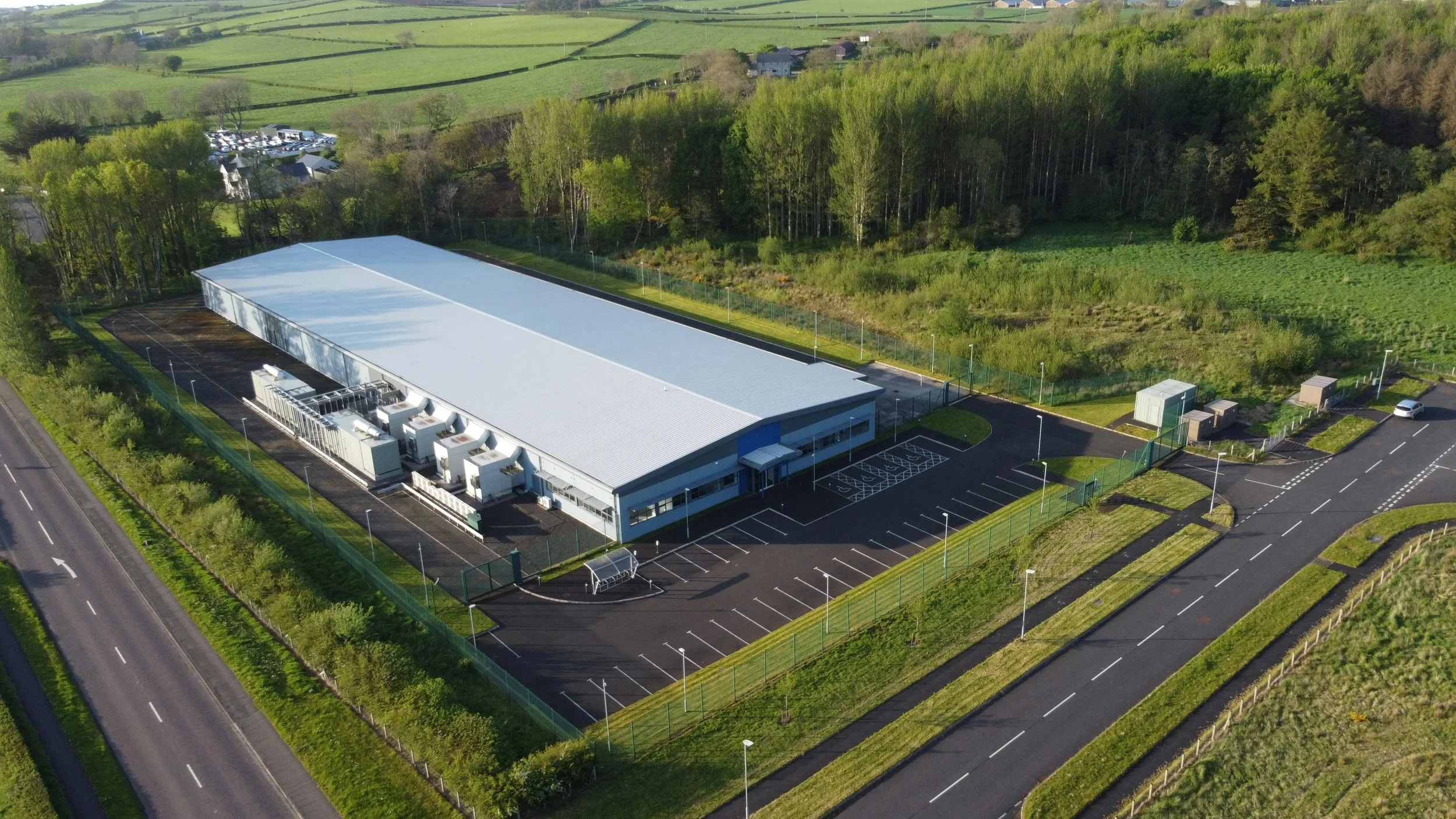
Data centers have become one of the more talked-about pieces of infrastructure in the country. As demand for computing capacity grows, new projects are drawing attention — and, in some places, real concern from the communities around them. Questions about power, water, and cost are showing up in town halls and statehouses alike.
Those questions are worth taking seriously. But much of the friction has less to do with data centers themselves than with how individual projects have been planned, sited, and integrated into the systems around them. The concerns are real in specific contexts, and they are also, in most cases, solvable. Understanding the difference is where the conversation becomes productive.
What's Driving the Concern
Most of the public conversation centers on three issues: the electricity these facilities draw, the water some use for cooling, and the worry that nearby residents could end up sharing the cost of new infrastructure. In regions where the grid is already tight, a large new load can genuinely add strain. In dry climates, water-cooled designs can compete with other local needs. And without the right rate structures in place, there's a legitimate question of who pays for the upgrades a major facility requires.
These are reasonable things to ask about. A data center is a significant piece of infrastructure, and significant infrastructure deserves scrutiny. The mistake is treating the concerns as proof that data centers and healthy communities are fundamentally at odds. In practice, the outcome depends almost entirely on decisions made early — long before the first server is installed.
The Picture Is More Manageable Than It Looks
It's worth adding some context that often gets lost. Rising electricity costs have many causes, and much of the recent increase across the country traces to long-overdue investment in aging grid infrastructure — work that was needed regardless of where computing demand was headed. Independent analysis of electricity prices over recent years has pointed to grid modernization, fuel costs, and recovery from extreme weather as primary drivers, rather than data centers in most regions. That doesn't erase the local pressures where they exist, but it does suggest the national story is more nuanced than a single cause.
The same is true on the technical side. Cooling no longer means heavy water use by default — modern designs increasingly rely on closed-loop and air-based systems that sharply reduce consumption. Power demand can be planned for, phased, and in many cases met partly through on-site generation. None of this happens automatically, but all of it is well within the reach of a project that's set up correctly from the start.
Where Good Outcomes Actually Come From
The difference between a project that meets resistance and one a community welcomes usually comes down to a handful of decisions made early in development:
Siting. Choosing locations with available grid capacity, appropriate water resources, and sensible distance from residential areas resolves many concerns before they arise.
Utility coordination. Engaging utilities early — understanding interconnection timelines, capacity, and infrastructure needs — keeps a project realistic and prevents the surprises that drive opposition.
Cost fairness. Rate structures and agreements that ensure a facility pays for the infrastructure it requires protect existing ratepayers and remove one of the most common objections entirely.
Efficient design. Modern cooling approaches, efficient power architecture, and, where appropriate, on-site generation reduce a facility's footprint on local systems from the outset.
None of these are exotic. They are the standard ingredients of a well-planned project. When they're addressed up front, the concerns that dominate headlines tend to resolve quietly — and the economic benefits a data center brings, in tax base, investment, and jobs, can be realized without the tradeoffs communities fear.
The Real Variable Is Execution
Data centers are not going to stop being built; the demand behind them is too fundamental. The open question is how they get built — and that's a question of planning and execution, not an inherent conflict between technology and community. Projects that engage early, site thoughtfully, coordinate honestly with utilities, and design efficiently tend to move forward smoothly. Projects that skip those steps are the ones that end up in the news.
How Interconnect Helps
Interconnect works with operators, developers, and investors on exactly these decisions — the ones that determine whether a project succeeds. Our team supports feasibility and site selection, power capacity planning, utility interconnection, and the energy and efficiency considerations that shape a facility's relationship with the community around it. We've conducted this work across new builds and existing facilities, and we bring the operating experience to see the issues early, when they're still straightforward to solve.
The friction around data centers is real, but it's not the whole story. With the right planning, these facilities can meet the demand driving them and fit responsibly into the places they're built. If you're developing or evaluating a project and want a partner who understands both sides of that equation, we'd welcome the conversation.
Interconnect Consulting Group | Strategy and delivery for the next generation of digital infrastructure.