

Your Grant Application Was Decided Eighteen Months Ago
Communities treat the application as the moment of truth. By the time it's being written, most of the outcome is already fixed.

Municipal Broadband: The Questions Worth Answering Before You Build
More communities are looking seriously at building their own broadband infrastructure. The reasons are usually straightforward — incumbent providers have not delivered, service quality is inconsistent, or economic development goals depend on connectivity the market has not supplied. Federal and state funding has made the math work in places where it previously did not.
Municipal networks can work well. Some of the most reliable, competitively priced broadband in the country is publicly owned. But the projects that succeed tend to have answered a specific set of questions early, while the answers were still cheap to act on. The questions below are the ones that most often determine how a project turns out — not because they are difficult to understand, but because they are easy to defer until they become expensive.
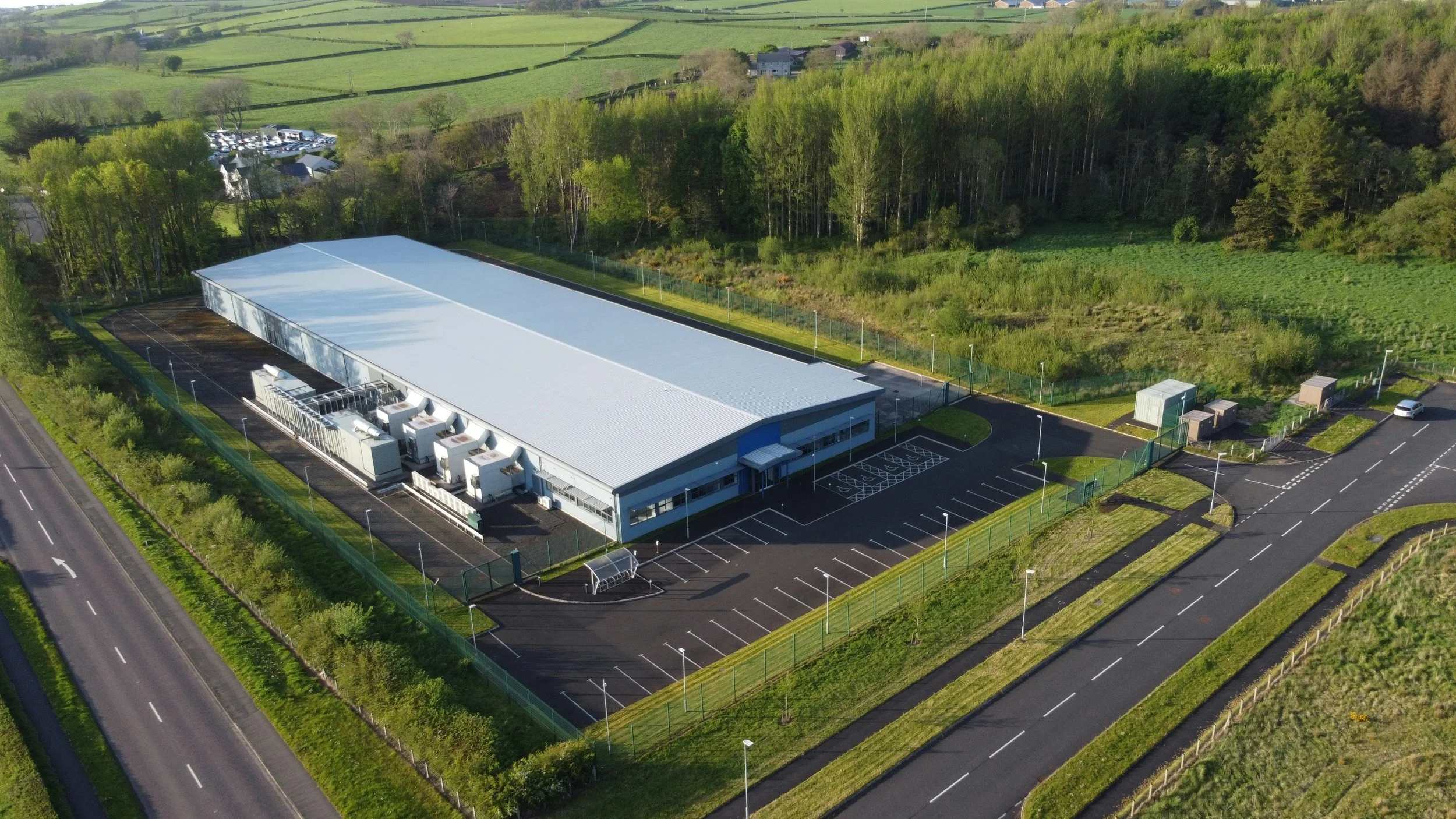
Data Centers and Their Communities: Moving Past the Friction
Data centers have become one of the more talked-about pieces of infrastructure in the country. As demand for computing capacity grows, new projects are drawing attention and, in some places, real concern from the communities around them. Questions about power, water, and cost are showing up in town halls and statehouses alike.
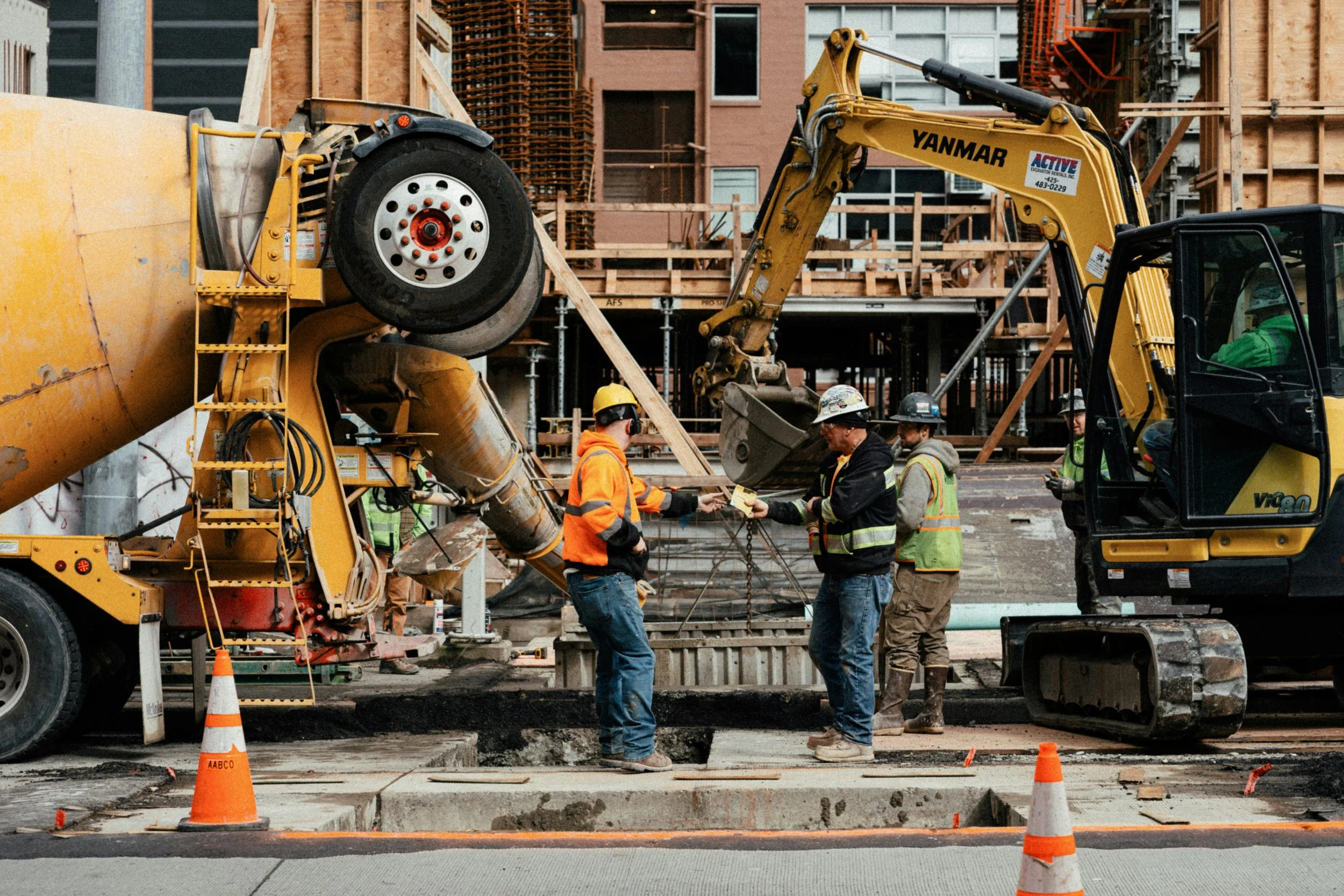
BEAD Construction Is Finally Starting. What Does That Actually Mean?
For years, BEAD existed mostly on paper. Allocation announcements, challenge processes, initial proposals, restructured proposals, resubmitted proposals. The program generated enormous planning activity and very little dirt moving. That has changed. The first BEAD-funded households are now connected, award agreements are signed across nearly every state and territory, and construction is ramping up nationwide.

Data Center Power Is Now a Development Problem. Here Is What That Means.
For most of the data center industry's history, power was someone else's problem. A developer found a site, secured permits, built the facility, and called the utility. The utility figured out how to deliver the power. That model worked because data centers, even large ones, were a manageable load for regional grids.
That is no longer the situation.

Fixed Wireless Access Is Winning More of the Broadband Market Than Most People Realize
For a long time, the prevailing view in the broadband industry was that wireless could not seriously compete with wired infrastructure for home and business connectivity. The physics were the limiting factor: spectrum is shared, weather and foliage affect signal, and throughput degrades under load in ways that fiber does not.
That view has not aged well.
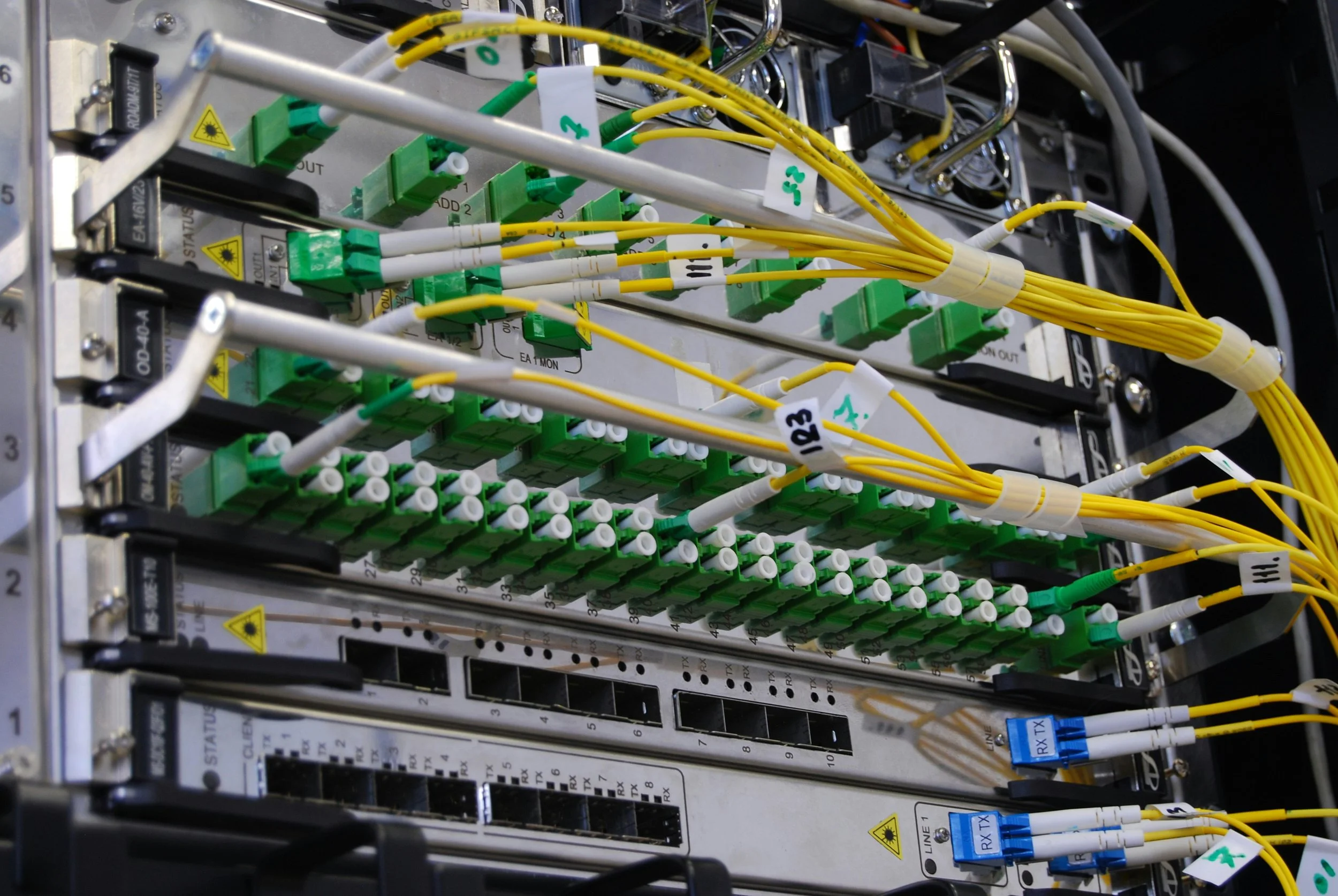
From Copper to Fiber: A Practical Look at Legacy Network Transformation
Copper networks were not built to fail. They were built to last, and in many cases, they did exactly that for decades. The problem is not that legacy infrastructure stopped working. The problem is that the world it was designed for no longer exists.