
From Copper to Fiber: A Practical Look at Legacy Network Transformation
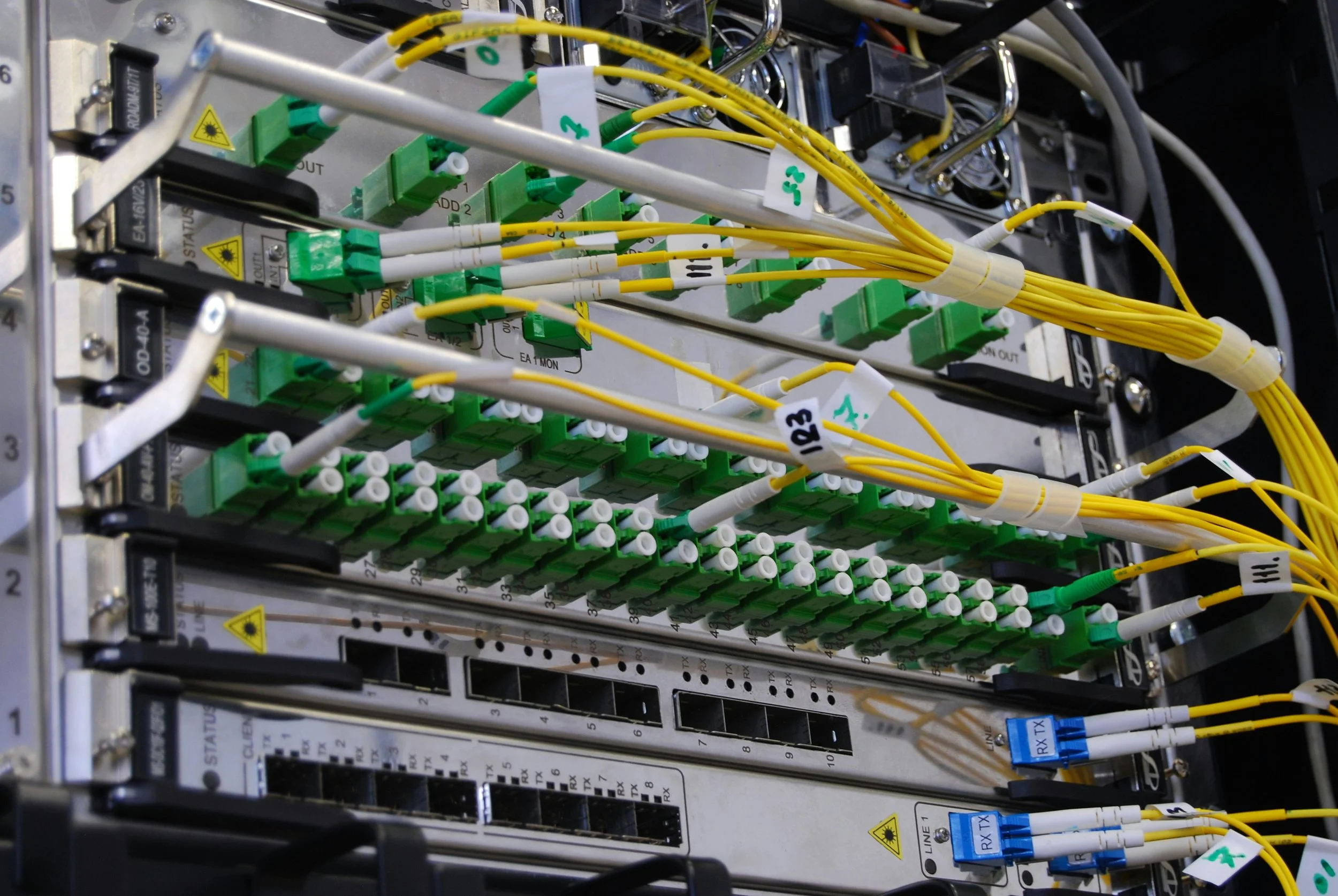
Copper networks were not built to fail. They were built to last, and in many cases, they did exactly that for decades. The problem is not that legacy infrastructure stopped working. The problem is that the world it was designed for no longer exists.
Enterprise customers now expect fiber-grade speeds as a baseline, not a premium. Regulatory frameworks in some markets are beginning to sunset copper obligations. Overbuilders and fixed wireless providers are moving into territory legacy operators once owned by default. For carriers still running copper-heavy plants, the pressure to modernize has gone from background noise to a real competitive threat.
The question most operators are wrestling with is not whether to transition. It is how to do it without blowing up the revenue base in the process.
What Passive Optical Networks Actually Solve
The architecture that defines modern fiber deployments is Passive Optical Networking, or PON. The basic concept is straightforward: a single optical fiber strand, paired with passive optical splitters in the field, distributes high-speed connectivity to multiple endpoints without requiring powered equipment between the central office and the customer. Less active hardware in the field means lower operating costs and fewer points of failure.
The current generation of PON standards, particularly XGS-PON and NG-PON2, support symmetrical speeds of 10 Gbps and beyond. That is not a marginal improvement over copper. It is a fundamentally different capability, and it matters for everything from enterprise SLA commitments to the ability to support 5G small cell backhaul on the same infrastructure.
What makes PON deployments strategically interesting is that different generations of the standard can coexist on the same fiber plant. That means operators do not have to rip and replace everything at once. They can overlay new technology on existing fiber infrastructure as demand and economics warrant, which changes the capital planning math considerably.
The Part That Gets Underestimated
Most operators go into a modernization program with a clear picture of the technology side and a less clear picture of everything else. That gap is where projects run into trouble.
Workforce readiness is one of the bigger ones. Technicians who have spent careers working copper plants need real retraining to install, provision, and troubleshoot fiber and PON equipment. That is not a criticism; it is just a fact. Ignoring it leads to deployment delays and quality problems that show up in the customer experience.
OSS/BSS integration is another. A fiber network managed through legacy operational support systems built for copper creates operational friction that shows up in provisioning times, trouble ticket volumes, and billing accuracy. The technology upgrade and the systems upgrade need to move together, or the benefits of the new network get eaten by operational inefficiency.
And then there is the copper retirement question, which most operators treat as a later-stage problem. It is not. Maintaining dual networks in parallel is expensive, and those costs directly erode the return on the fiber investment. A credible plan for copper sunsetting, built into the program from the start, is what separates operators who achieve the full financial case from those who get half of it.
“The technology upgrade and the systems upgrade need to move together. Otherwise, the benefits of the new network get eaten by operational inefficiency.”
A Reasonable Sequencing Approach
Legacy network modernization does not have to be a single massive capital program. Operators who do it well tend to think about it in phases:
Start with a granular plant assessment. Not all copper is the same age, condition, or traffic load. A detailed view of what you have, where demand is concentrated, and where the network is already underperforming gives you a rational basis for sequencing investment rather than guessing.
Prioritize anchor segments first. Dense residential zones, enterprise corridors, and high-churn markets are natural starting points. Converting these generates early revenue and operational experience that funds and informs the broader rollout.
Commit to a target architecture. Hybrid solutions have their place as interim measures, but they should not become permanent. Deploying PON as the target state from the start avoids the problem of building infrastructure you will have to replace again.
Build the sunsetting plan in parallel. Know when and how you are going to retire copper in each segment. That plan is what makes the economics work long-term.
Where Outside Perspective Adds Value
Transformations this large involve decisions that cut across technology, finance, operations, and regulation all at once. The interactions between those domains are where programs tend to drift or stall. Operators who bring in experienced outside support, whether for an initial assessment, ongoing program oversight, or specific workstreams, tend to make faster decisions and avoid the categories of error that come from operating inside a single institutional perspective.
At Interconnect Consulting Group, we work with carriers and operators across the full range of modernization challenges, from network assessment and technology selection through vendor negotiation and deployment oversight. If you are trying to get your arms around what a realistic transformation program looks like for your network, we will be glad to start that conversation.